
Book Today and Save $25
Sarasota Fridge Repair Services
Fridge not cooling in Sarasota? Max Appliance Repair Sarasota repairs refrigerators, freezers, ice makers and wine coolers across Sarasota and Manatee County, FL, usually the same day and usually in one visit. Common parts ride on the van, we quote before we start, and the service call is free with the repair. Call (941) 200-1092, 7 AM to 10 PM, seven days a week.
Refrigerator repair in Sarasota usually takes one visit. Our technicians fix cooling failures, ice makers, water dispensers, door seals, compressors and drain-line clogs on all major brands, with common parts carried on the van. Same-day appointments are available seven days a week, 7AM to 10PM.
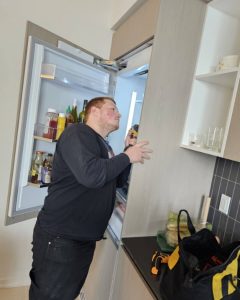
Our team specializes in quick, professional fridge repairs across Sarasota for all brands and models. Reach out to us today and we’ll fix your fridge in the first visit!
- Same-day repairs available
- Fully trained and experienced technicians
- Warranty on all repair parts we use
Dial us up (941) 200-1092
Most Common Fridge Problems
Our unique mix of salt air, high humidity, and hard water creates specific failure points that you won’t find on generic repair guides. Our technicians years of experience providing fridge repair services, they can diagnose and fix your fridge quickly.
Common Issues We’ve Solved
- Humidity and moldy fridge seals
- Fridge not cooling
- Salt corrosion eating the fridge coils
- Fridge ice maker jammed
- Fridge not turning on
- Refrigerator making loud noise
- Fridge is too cold
- Leaky refrigerator
- And more
Call our qualified fridge repair technicians today: (941) 200-1092
Types of Refrigerators We Service
We understand not everyone’s kitchen is the same, so not everyone will have the same type of fridge. Fortunately, our team is fully trained and qualified to work on all fridge models, guaranteeing that no matter what fridge you have,
Refrigerator Types We Repair
- French door refrigerators
- Garage refrigerators
- Luxury built-ins
- Side-by-side refrigerators
- Bottom freezer fridges
- Top freezer fridges
- Smart refrigerators
- Compact fridges
- And more
Homeowners Trust Us To Fix Fridges
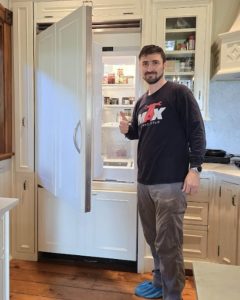
As a family-owned business, we understand how important it is to get the fridge repair done right the first time. Our team has been helping homeowners with fixing their appliances across Sarasota for years, from Southgate to Whitfield and other nearby areas.
No matter if it’s older single door model, or a newer smart fridge, we have the expertise to fix them all.
Benefits of Choosing Us
Transparent Pricing
Before any repair work is started, we let you know exactly how much it’ll cost, with no hidden fees.
Fully Equipped Team
Our experts arrive with all the necessary parts and tools to handle any fridge issue on the spot.
Customer Satisfaction
We’re efficient and professional, making sure you’re 100% satisfied before we leave.
Fridge Brands We’ve Fixed
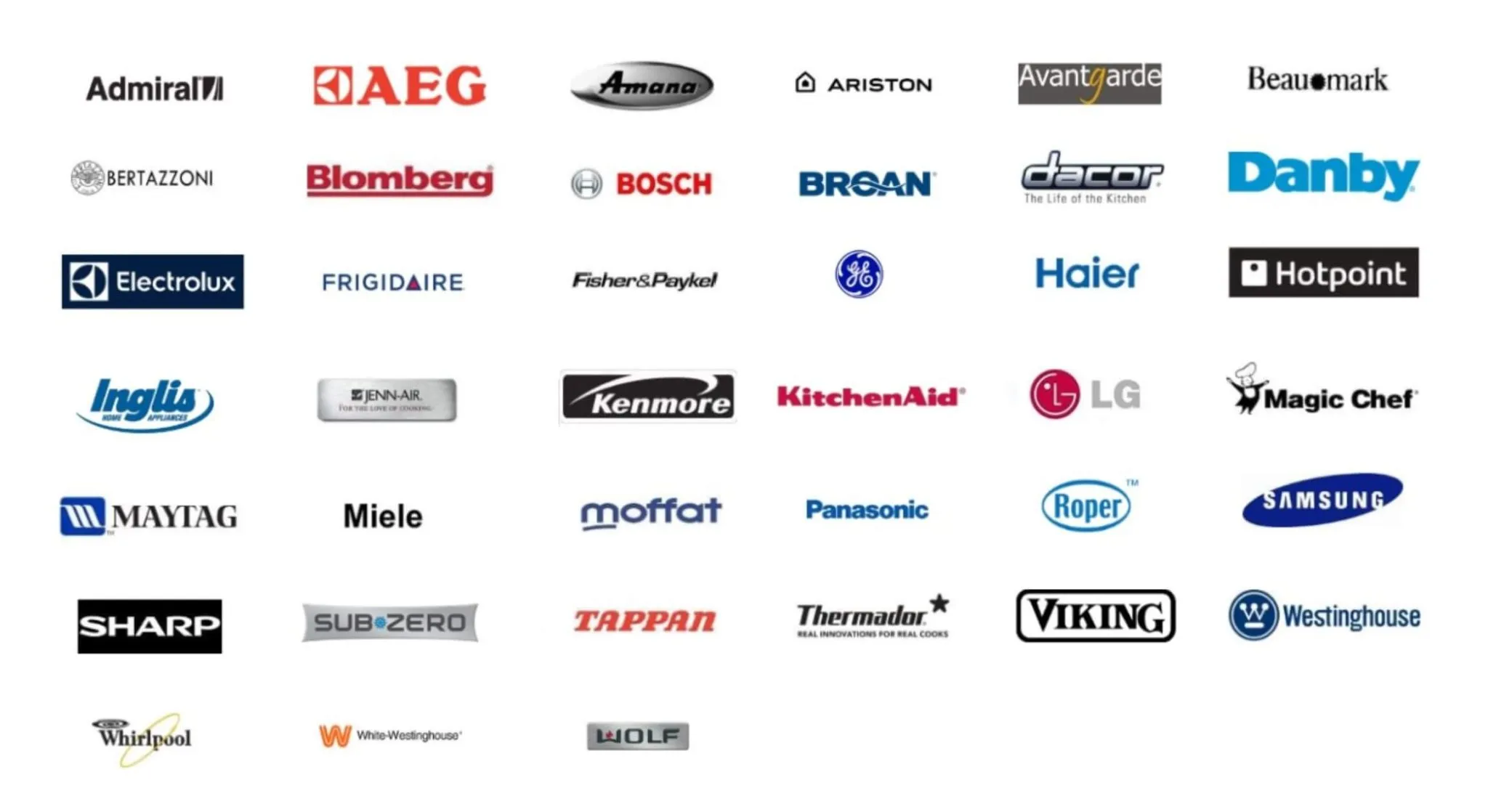
Our fridge repair technicians in Sarasota specialize in various brands from Samsung, to LG, Whirlpool and more! We have the knowledge and experience for majority of fridge brands, so we know the common pitfalls of each one and how to fix them!
Fridge symptoms and what usually causes them
Most refrigerator calls come down to one of eight symptoms. Here is what each one normally means, and where to read more before you decide whether to book.
The fridge is not cooling but the light is on
Power is fine, cooling is not. The usual suspects are a failed evaporator fan, a defrost system stuck in a frost cycle, a condenser packed with dust or salt film, or a sealed-system fault. Check the condenser coils first. If the fridge is warm and the freezer is fine, the airflow between the two compartments is the place to look. Food safety matters while you diagnose: federal guidance gives refrigerated food roughly four hours once it stops cooling.
Water pooling under the crisper or on the floor
Nearly always a blocked defrost drain, a cracked water line, a failed inlet valve or a door gasket letting warm air in. Full breakdown here: refrigerator leaking water, causes and fixes.
The ice maker has slowed down, or the water tastes off
Sarasota water is hard, and scale is what kills ice makers here. A filter that is past its service life restricts flow, which produces small hollow cubes and then none at all. Start with the filter: how to replace a refrigerator water filter.
Frost building up in the freezer
A defrost heater, defrost thermostat or control board that has stopped running the defrost cycle, or a door seal letting humid Gulf air in every time the door opens. In this climate the gasket is the more common cause.
Black mold or a musty smell around the door seal
This is the Sarasota classic. Humid air condenses on the cold gasket and mold grows in the folds. Cleaning helps, but a gasket that has gone hard or swollen will keep doing it until it is replaced. More on that in why Sarasota humidity is wrecking your refrigerator.
The compressor runs constantly and never shuts off
Usually a dirty or corroded condenser, a failed condenser fan, or a fridge fighting ambient heat in a garage or lanai. Salt air off the bay pits the fins and the coil stops shedding heat.
Loud buzzing, clicking or grinding
Evaporator fan bearing, condenser fan hitting debris, or a compressor start relay clicking on and off. Clicking every few minutes with no cooling usually means the relay.
The fridge is too cold and freezing the produce
A stuck damper, a drifting thermistor, or a control board reading the wrong temperature. Cheap to fix, and worth fixing before it ices the evaporator.
Why refrigerators fail differently in Sarasota
Three local conditions do most of the damage. Humidity sits high for months, which loads the defrost system, breeds mold on door gaskets and makes every door opening a small injection of moist air. Salt carried in off the bay corrodes condenser coils and exposed terminals, particularly on Siesta Key, Longboat Key and Anna Maria Island. And hard water scales up inlet valves, ice maker lines and filters faster than the manufacturer’s replacement interval assumes. A fridge that would run untouched for a decade in a dry climate needs its coils cleaned and its filter changed on schedule here. Sealed-system and refrigerant work is regulated under EPA Section 608, so that part is a service call rather than a weekend job.
Refrigerator brands we service
We work on refrigerators from GE appliance repair and GE Profile, Samsung, LG, Whirlpool, KitchenAid, Frigidaire, Maytag, Bosch, Sub-Zero, Viking, Thermador, Fisher & Paykel and more. We are an independent service company and are not affiliated with or authorized by any of these manufacturers. The full brand list shows what we cover on each one.
Areas We Serve in Sarasota and Manatee County
Our vans cover both counties every day, so you are not waiting a week for a slot.
Sarasota County: Sarasota, Siesta Key, Osprey, Nokomis, Venice, North Port and Englewood.
Manatee County: Bradenton, Lakewood Ranch, Anna Maria Island and Parrish.
Not sure your street is covered? Call (941) 200-1092 and we will confirm before you book.
Common Questions
When repairs are necessary, you might have a few questions. Here are some of the most commonly asked questions we get on the job.
Why is my fridge not cooling properly?
Several factors can cause this issue, including a malfunctioning thermostat, a faulty compressor, or a buildup of debris on the condenser coils. It’s best to have a professional technician diagnose and repair the problem to ensure proper functioning.
Why is my fridge making weird noises?
Unusual noises can indicate various issues, such as a malfunctioning fan motor, a faulty evaporator fan, or a problem with the compressor.
Why is water pooling at the bottom of my fridge?
Water pooling inside the fridge may be due to a clogged defrost drain, a malfunctioning water inlet valve, or a damaged door gasket. Our technician can inspect the fridge to determine the cause and resolve the issue. Call now (941) 200-1092
How often should I clean the condenser coils on my fridge?
It’s recommended to clean the condenser coils at least twice a year to maintain optimal performance. Dirty coils can cause the fridge to work harder and may lead to cooling problems.
What's making my fridge leak water?
A leaking fridge could indicate a damaged water inlet valve, a blocked defrost drain, or a cracked water line. It’s important to address this issue promptly to prevent water damage to your home. A technician can identify the source of the leak and perform the necessary repairs.
How can I prevent my fridge from developing odors?
To prevent odors in your fridge, regularly clean spills and food residues, discard expired items, and place an open box of baking soda inside the fridge to absorb odors. Additionally, ensure proper ventilation and avoid storing strong-smelling foods uncovered.
Related Reading
- Why Sarasota humidity is wrecking your refrigerator
- A fridge maintenance checklist for Sarasota summers
- Refrigerator leaking water: causes and fixes
- How to replace a refrigerator water filter
Last updated: August 2026.